How Growth Systems For B2B streamlines supply chain management
Wiki Article
AI Automation for B2B: Techniques to Enhance Your Organization Efficiency
AI automation in the B2B sector presents a crucial opportunity for organizations to enhance their performance. By streamlining processes and improving decision-making, services can accomplish significant performances. Nonetheless, the effective combination of AI needs mindful factor to consider of various variables. Understanding which locations to automate and picking proper tools are simply the beginning. The potential for change increases important questions concerning application and ongoing evaluation. What approaches will ensure enduring success in this advancing landscape?Recognizing AI Automation in B2B Context
As companies significantly look for effectiveness and technology, comprehending AI automation in the B2B context comes to be crucial. AI automation leverages innovative technologies to streamline processes, enhance decision-making, and boost overall efficiency. By integrating AI tools, companies can enhance procedures such as supply chain administration, customer connection monitoring, and information evaluation. These modern technologies can examine huge quantities of information quickly, offering actionable insights that drive critical initiatives. Additionally, AI-driven automation reduces human mistake and maximizes workers to concentrate on more complex jobs. By cultivating collaboration in between human intelligence and maker capacities, services can achieve an one-upmanship. Inevitably, comprehending AI automation is essential for B2B organizations intending to prosper in an increasingly digital market.Recognizing Areas for Automation
In the quest for efficient AI automation in B2B, it is important to determine details areas where automation can yield significant advantages. This includes reviewing task monotone, exploring possibilities for information handling, and pinpointing workflow bottlenecks. By concentrating on these facets, companies can enhance operations and improve performance.Job Monotone Analysis
Job repetitiveness analysis plays an important role in recognizing locations ripe for automation within B2B operations. Minarik AI. This process includes evaluating day-to-day tasks to figure out which are recurring and time-consuming, thus impeding efficiency (AI Automation For B2B). By inspecting workflows, businesses can determine certain functions that call for too much hands-on input, such as information access, billing handling, or client follow-ups. Identifying these repetitive tasks allows companies to designate sources better, boosting total performance. In addition, automation can minimize human error, streamline operations, and liberate staff members to concentrate on higher-value activities. Carrying out a comprehensive job repetitiveness analysis equips B2B organizations to adopt targeted automation methods, inevitably driving enhanced efficiency and competitive benefit in the marketplaceData Processing Opportunities
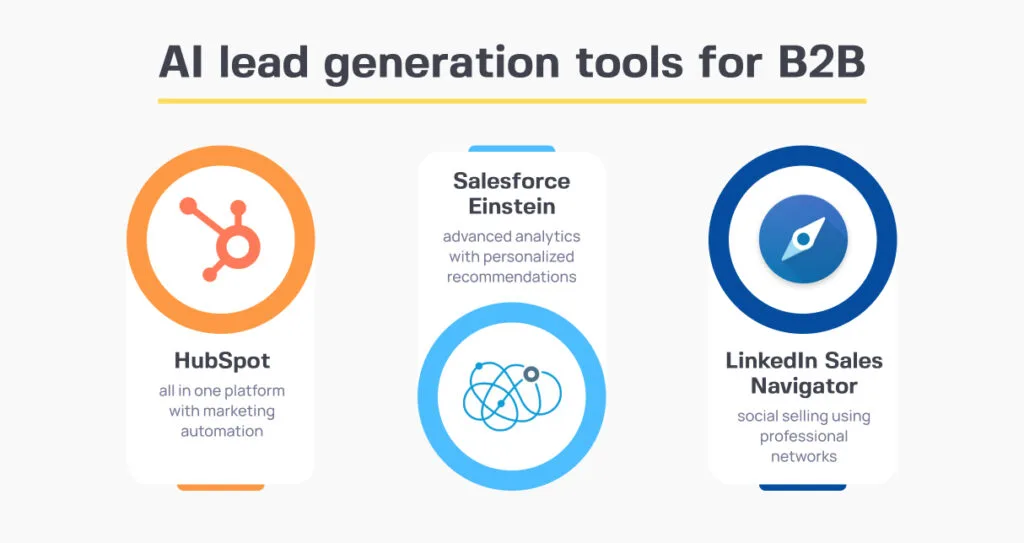
Process Bottleneck Identification
Identifying operations traffic jams is a critical step in recognizing the complete advantages of automation within B2B companies. These bottlenecks commonly show up as hold-ups, source restraints, or ineffective processes that prevent productivity. To effectively pinpoint these locations, businesses can perform detailed analyses of their process, utilizing metrics such as cycle time and throughput. Involving workers in conversations concerning pain factors can additionally give important understandings. Once traffic jams are recognized, organizations can prioritize them based upon impact and expediency for automation. By purposefully addressing these inefficiencies, B2B companies can simplify operations, improve cooperation, and ultimately boost general performance. This aggressive technique to process evaluation lays the groundwork for successful automation campaigns that drive company development.Choosing the Right AI Devices and Technologies
As businesses significantly turn to AI to improve their procedures, choosing the right devices and innovations comes to be vital for attaining wanted end results. Organizations should examine their certain demands and purposes, taking into consideration variables such as compatibility, user-friendliness, and scalability. An extensive market evaluation can help identify leading AI solutions tailored for their industry. Additionally, organizations should evaluate the technological facilities called for to support these tools, ensuring seamless combination with existing systems. Data security and compliance with regulations are also essential considerations that influence device choice. By focusing on these standards, companies can make informed decisions that drive efficiency and productivity, eventually leading to boosted business performance. The best AI devices empower companies to introduce and keep an one-upmanship in the market.Creating a Strategic Application Strategy
A successful tactical application prepare for AI automation in B2B needs clearly defined key objectives. Additionally, organizations should assess their current abilities to identify gaps and opportunities for renovation. Continual tracking and modification of the strategy will certainly ensure placement with progressing business requirements and modern technology developments.Specify Trick Purposes
To assure effective AI automation in B2B settings, specifying essential objectives is essential for developing a calculated execution strategy. Organizations needs to recognize certain, measurable objectives that straighten with their overall business technique. This clarity offers a roadmap for the automation process, making sure that initiatives are concentrated on locations that will certainly generate the greatest influence. Secret purposes may include improving functional effectiveness, improving customer fulfillment, or raising profits. Setting these purposes enables groups to prioritize resources efficiently and track development in time. Additionally, clear purposes facilitate better interaction among stakeholders, cultivating cooperation and positioning throughout the organization. Inevitably, distinct goals work as the structure for a durable AI automation strategy that drives service performance.Analyze Current Capabilities
Before carrying out AI automation, companies should extensively evaluate their current abilities to recognize weaknesses and staminas. This analysis entails taking a look at existing innovations, workforce abilities, and functional procedures. By performing a thorough audit, businesses can identify areas that call for enhancement or investment. Organizations should also consider their information management techniques, as the high quality and accessibility of data are vital for successful AI integration. Recognizing the existing technical landscape enables companies to straighten their sources and abilities with their critical goals. Furthermore, it is important to assess firm society and readiness for modification, as these aspects significantly influence the fostering of AI solutions. This assessment acts as the foundation for creating a strategic application plan that optimizes the potential of AI automation.Display and Change
Carrying out AI automation calls for a dynamic approach that emphasizes continuous tracking and adjustment. Companies need to develop a calculated application strategy that includes routine examinations of AI performance against predefined metrics. This involves monitoring vital performance indicators (KPIs) to evaluate the effectiveness of automation services. By examining data, organizations can identify areas for improvement and adjust their AI systems appropriately. Involving with stakeholders throughout the procedure assures that the automation aligns with service objectives and individual needs. Furthermore, cultivating a society of flexibility allows business to respond quickly to changing market problems and technical developments. Growth Systems For B2B. Ultimately, ongoing tracking and adjustment not just improve functional performance yet additionally drive sustained company performance in the affordable B2B landscapeEnsuring Information Top Quality and Integration
As companies significantly count on AI automation in B2B processes, guaranteeing information high quality and integration ends up being essential for success. High-grade information is essential for precise analytics, educated decision-making, and efficient consumer interaction. Data have to be cleaned up, standard, and verified to remove errors and variances that might lead to misdirected insights. Furthermore, seamless combination throughout different systems and systems is crucial; inconsonant information silos hinder automation initiatives and decrease operational efficiency. Organizations must adopt durable data governance structures and make use of sophisticated devices to help with information assimilation while maintaining top quality requirements. By focusing on these components, services can enhance their AI automation campaigns, ultimately leading to boosted performance and a competitive advantage in the B2B landscape.Determining Success and ROI of AI Initiatives
Exactly how can organizations effectively measure the success and return on investment (ROI) of their AI efforts? To evaluate performance, businesses must establish clear, quantifiable goals lined up with strategic objectives. Secret efficiency indications (KPIs) such as price savings, income growth, and efficiency enhancements can provide valuable understandings. Organizations typically perform baseline analyses prior to carrying out AI, enabling them to contrast pre- and post-implementation metrics. Additionally, evaluating client contentment and interaction can expose the impact of AI on user experience. Frequently evaluating these metrics aids in refining AI techniques and making certain positioning more info with service goals. By employing an organized approach to measurement and examination, companies can precisely evaluate the effectiveness of their AI initiatives and make informed choices about future financial investments.Conquering Obstacles in AI Adoption
Several companies acknowledge the potential of AI to transform their operations, they commonly encounter significant obstacles during fostering - Minarik AI. Key difficulties consist of an absence of proficient personnel, which hinders the reliable execution and monitoring of AI modern technologies. Organizations also face integration concerns, as existing systems might not work with new AI services. Additionally, issues pertaining to data privacy and safety can cause resistance in completely embracing AI capacities. Resistance to change from staff members can even more complicate the shift, demanding extensive training and communication strategies. To get over these obstacles, companies ought to invest in ability development, warranty durable information governance, and cultivate a society that embraces advancement, inevitably leading the method for successful AI combination and boosted service performanceRegularly Asked Questions
How Can AI Automation Improve Client Relationship Management in B2B?
AI automation can improve consumer relationship administration in B2B by enhancing communication, supplying customized communications, evaluating customer data for understandings, automating follow-ups, and boosting action times, eventually cultivating stronger partnerships and driving sales growth.What Industries Benefit A Lot Of From AI Automation in B2B?
Production, finance, healthcare, and logistics sectors benefit most from AI automation in B2B. These fields leverage automation to enhance processes, boost information evaluation, improve customer communications, and inevitably raise functional performance and productivity.Exactly How Does AI Automation Impact Staff Member Roles in B2B Business?
AI automation changes worker duties in B2B companies by streamlining jobs, minimizing repeated work, and enabling team to focus on strategic efforts. This change enhances efficiency and cultivates a culture of innovation and flexibility.What Are the Expenses Associated With Carrying Out AI Automation?
The prices linked with executing AI automation include preliminary software application purchase, infrastructure upgrades, training expenses, continuous maintenance, and prospective integration difficulties. Minarik AI. Business should also consider long-term functional changes and staff member adjustment costs in their financial preparationHow Can Businesses Make Sure Honest AI Usage in Their Workflow?
Companies can guarantee ethical AI use by developing clear standards, promoting openness, carrying out routine audits, entailing varied stakeholders, and prioritizing data personal privacy. Constant training and awareness programs further enhance understanding and adherence to moral practices.
Report this wiki page